Centres de Soins Non Programmés (CSNP) in France: A Complete Guide for Expats
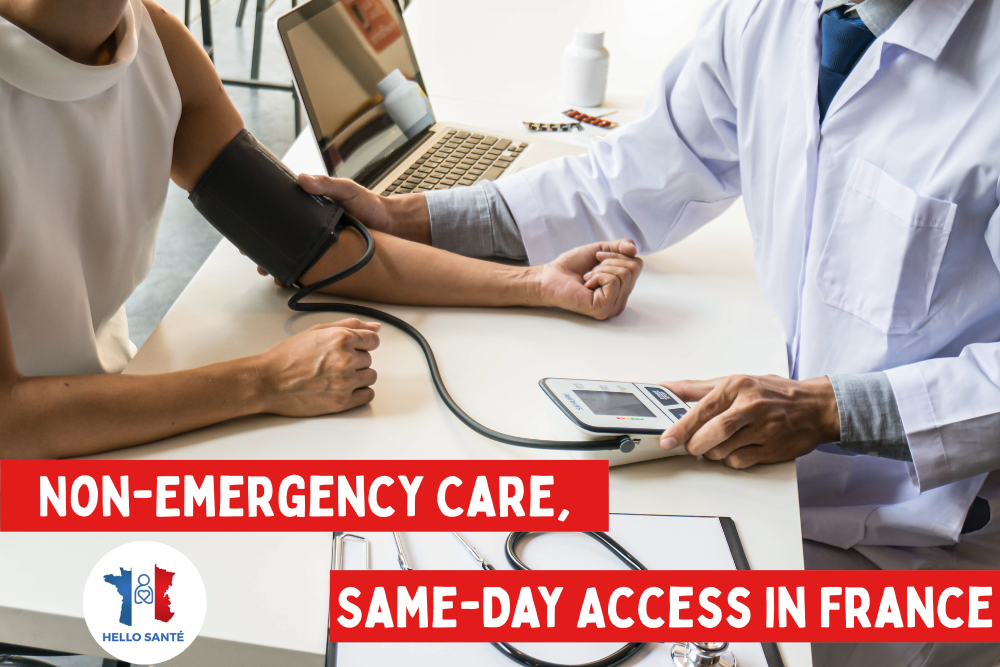
If you’re living in France as an expat, understanding how to access medical care can be tricky. One part of the French healthcare system that many English speakers don’t know about is the Centre de Soins Non Programmés (CSNP) — also called Soins Non Programmés (SNP). These centers provide non-scheduled, same-day medical care when your GP isn’t available, and knowing how to use them can save time, money, and stress.
Here’s everything you need to know about CSNPs in France, how they work, and how to find one near you.
What Are Centres de Soins Non Programmés (CSNP)?
Definition & Purpose
CSNPs provide medical care for urgent but non-life-threatening situations, such as sudden illness or minor injuries. They are designed for conditions that cannot wait for a scheduled GP appointment but do not require hospital emergency care.
Typical scenarios include:
Sudden fever, infections, or flu-like symptoms
Sprains, minor cuts, or minor trauma
Situations where your médecin traitant (GP) is unavailable
These centers help reduce pressure on hospital emergency departments and ensure that non-urgent but immediate care needs are met efficiently.
How CSNP / SNP Work
Structure & Staff
Usually run by general practitioners (GPs) and nurses
Some centers have basic diagnostic tools, such as X-rays or blood tests
Many operate without requiring an appointment during specific hours
Some CSNPs are part of CPTS (Communautés Professionnelles Territoriales de Santé), which coordinate local healthcare availability
Regulation & Billing
Consultations at CSNPs are covered by French health insurance (Assurance Maladie)
Fees are generally the same as a standard GP visit
Extra regulated fees (“majoration”) apply for evenings, weekends, or holidays
SAS: Telephone Access
The Service d’Accès aux Soins (SAS) can help direct you to an available CSNP if your GP is unavailable. They provide guidance on where to go and how to book an appointment.
How Expats Can Use CSNP
When to Go
CSNPs are ideal for:
Minor injuries like sprains or cuts
Sudden illnesses that need same-day attention
Non-emergency care when your GP has no available appointments
What to Bring
Carte Vitale (French health insurance card)
Photo ID
GP details (if you have a médecin traitant)
Medical records or prescriptions if available
Language Tips
Many CSNPs have limited English-speaking staff
Bring written notes describing your symptoms in French if possible
Cost & Reimbursement
Visits are usually reimbursed by Assurance Maladie
Out-of-pocket costs are much lower than hospital ER visits
Extra fees for evenings/weekends are regulated and capped
Finding a CSNP in France
Here’s how to locate a CSNP near you:
Santé.gouv.fr – official map of non-scheduled care centers
Local CPTS – coordinates available time slots for non-scheduled consultations
Doctolib – search for “consultation sans rendez-vous” or “soins non programmés”
CMSI (Centre Médical de Soins Immédiats) – for centers with additional diagnostic services

Why CSNPs Matter for Expats
For expats, CSNPs provide:
Quick access to care when your GP isn’t available
Lower costs compared to hospital emergency visits
Peace of mind knowing there’s a structured way to get medical attention
These centers act as a bridge between your GP and hospital, ensuring you can get timely care without unnecessary delays.
Bottom Line
Centres de Soins Non Programmés (CSNP) are an essential part of French healthcare. For expats, knowing how to find and use them makes accessing non-urgent medical care faster, easier, and more affordable.
Familiarizing yourself with CSNPs now will help you navigate the French healthcare system confidently — and ensure you know where to go when you need care quickly.
Frequently Asked Questions — Centres de Soins Non Programmés (CSNP) in France
1. What is a CSNP?
A CSNP (Centre de Soins Non Programmés) is a medical centre for non-emergency but urgent care. They provide access to doctors within 24–48 hours for conditions like minor injuries, sudden illness, or when your GP isn’t available.
2. Are CSNPs widely available in France?
Yes — but they aren’t evenly distributed.
Centres de soins non programmés (CSNP) or Centres Médicaux de Soins Immédiats (CMSI) exist across France, mainly in larger towns and urban areas, but coverage is patchy in rural regions. Their primary purpose is to provide non-emergency, same-day care when your GP isn’t available, so they’re most common where there is higher patient demand or a shortage of GPs.
A few key points:
-
Most large cities have at least one CSNP or CMSI, often linked to a CPTS (Communauté Professionnelle Territoriale de Santé).
-
Smaller towns may have a single centre covering several communes, or rely on local GPs offering “consultations sans rendez-vous” (walk-in care).
-
CSNPs are relatively new and evolving; the 2025 government reforms aim to expand and formalize them, which may increase availability.
3. How is a CSNP different from a hospital emergency room?
CSNPs handle non-life-threatening situations, whereas hospital ERs are for true emergencies. Using a CSNP can save time, reduce stress, and often cost less than an ER visit.
4. Do I need an appointment?
Many CSNPs accept walk-in patients during set hours. Some may allow online booking or phone registration. Check local Doctolib listings or your CPTS for specific instructions.
5. What should I bring to a CSNP consultation?
Bring:
-
Your Carte Vitale (health insurance card)
-
Photo ID
-
Your GP’s contact details (if you have one)
-
Any medical records, prescriptions, or test results relevant to your visit
6. Will my consultation be reimbursed?
Yes, consultations at CSNPs are generally covered by Assurance Maladie, with rates similar to standard GP visits. There may be a small extra fee for evening or weekend visits, which is regulated.
7. Are there English-speaking doctors at CSNPs?
Many doctors speak limited English. It’s helpful to bring written notes describing your symptoms or a translator if needed. Some CPTS or local expat forums can recommend English-friendly centres.
8. How do I find a CSNP near me?
-
Check Santé.gouv.fr for non-scheduled care centres
-
Search Doctolib for “consultation sans rendez-vous” or “soins non programmés”
-
Ask your local CPTS for guidance
9. Can a CSNP provide tests or imaging?
Yes, some centres have basic diagnostic equipment, like blood tests, X-rays, or EKGs. For more advanced procedures, they may refer you to a hospital or specialist.
10. When should I NOT use a CSNP?
Go directly to hospital emergency services for:
-
Severe trauma or accidents
-
Chest pain, stroke symptoms, or difficulty breathing
-
Life-threatening conditions