
Applying for an entrepreneur visa in France is often described as ’complicated’, ‘opaque’, or even ‘impossible’. In reality, it’s none of those things – but it is very specific. Most problems arise not because people don’t qualify, but because they misunderstand what the French authorities are actually assessing. If you’re considering applying for an entrepreneur visa, here are the ten key things you need to understand before you start.
1. More Than One Type of Visa
There is no single ‘entrepreneur visa’ in France.
Depending on your project, background, and income expectations, you may be applying for:
● An Entrepreneur / Profession Libérale visa
● A Talent Passport
Each route has different eligibility criteria and documentation requirements. Choosing the wrong visa is one of the most common – and avoidable – reasons for refusal. The
right visa is not about what sounds best, but what best fits your actual project, your current situation and your plans for the future.
I offer a free 30 minute consultation to help you decide which visa is best for you. There is no obligation to use my services and no hard sell!
Book your video chat via my website
2. What Are the French Authorities Looking For? It’s Just Like a Job Interview…
It’s not just about making sure you submit all the documents required – the process for the entrepreneur visa is closer to a job interview. It’s not just about your business plan – it’s about you as well.
The authorities are assessing:
● Your professional background
● Your qualifications and experience
● Whether you are the right person to carry out this activity in France and are capable of making the business viable, profitable and sustainable.
A modest business that clearly aligns with your experience often has a better chance of a favourable decision, than an ambitious project with no obvious link to your past work.
3. A Two-Stage Application Process
This is a crucial point many people miss.
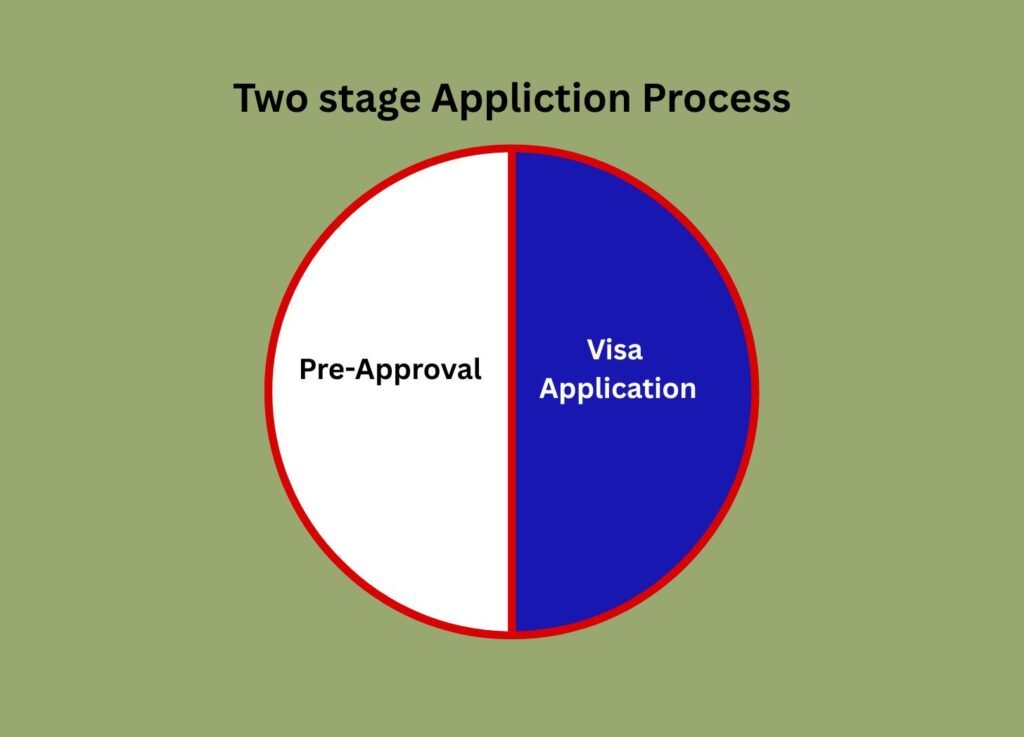
For most entrepreneur routes, there is a two-stage process:
1. Pre-approval of the business project (by a French authority)
2. Visa application through the consulate
Pre-approval does not guarantee the visa, but without it, your visa application will fail. Each stage has its own criteria, documents, and timelines – and mistakes early on can cause problems later.
4. Regulated Professions and Qualifications
Some professions in France are regulated, meaning you cannot legally practise without recognised qualifications or authorisation. This applies even if your plan is to be self-employed doing one of these activities.
This includes areas such as:
● Certain health professions
● Legal and financial roles
● Some trades and technical activities
If your activity is regulated, you must prove that your qualifications are recognised in France before applying. In some cases, they will accept experience over qualifications but they will still require proof and acceptance of your experience in lieu of qualifications isn’t guaranteed to be accepted.
Ignoring this point can result in an automatic rejection, regardless of how strong the rest of your application is.
5. A Business Address Is Required - and You Must Prove It
You cannot apply for an entrepreneur visa without a French business address. This is often one of the requirements that causes the most problems for people applying for an entrepreneur visa. It is a bit of a chicken and egg situation because you need to sort out where you will run your business BEFORE you know whether or not your pre-approval and visa applications will be granted.
This does not always mean renting an office, but you must be able to provide formal proof. Depending on your situation, this could include:
● A home address
● A domiciliation service
● A commercial lease
The address must be legitimate, documented, and consistent across your application. Vague explanations or informal arrangements are not sufficient.

6. Choosing the Right Business Structure
France offers several legal business structures, and choosing the wrong one can cost you money in the long run. You can start on one business structure and change to another later on – in fact you are required to move from a micro-enterprise to another structure once your turnover reaches a certain level.
Common options include:
● Micro-entreprise
● Entreprise individuelle
● Company structures (SARL, SAS, etc.)
Your structure should align with your activity, income expectations, and long-term plans. What works for a freelancer may not work for a consultancy or service business, and the choice has visa, tax, and social charge implications.
I highly recommend Lisa Clapisson of ABC Accounting as someone who can give you
expert advice about the various business structures in France. She offers paid
consultations and has a YouTube channel with lots of free videos
YouTube: The ABC of Accounting (for Businesses in France)
ABC ACCOUNTING WEBSITE
7. What Does the Business Plan Need to Include?
The business plan is one of the most important parts of your application – and one of the most misunderstood.
It needs to clearly explain:
● What your business does in practical terms
● Who your clients are
● How you will find them
● How much you will charge
● How you will generate income in France
The goal is clarity and credibility to encourage approval of your business proposal.
I have a FREE Business Plan template on my website that you can download and
customise to suit your business proposal. DOWNLOAD HERE

8. Your Business Must Produce the Minimum Required Income (SMIC)
Your project must be financially viable. For most entrepreneur visas, the authorities expect your business to generate at least the equivalent of SMIC (the French minimum wage). This does not always have to be immediate, but your projections must show that reaching this level is realistic. You can supplement your business income during the set-up phase but you must show this in your business plan and prove you have the resources to do so. It is expected that your business will be producing the equivalent of SMIC in the first year and they like to see it moving beyond that in subsequent years. Underestimating income can be just as problematic as exaggerating it. What matters is whether
your figures make sense for your activity and experience.
SMIC for 2026 is currently €1,823 per month (gross) / €1,443.11 per month (net)
9. Common Reasons for Rejection
Visa refusals are rarely random. The most common reasons include:
● Choosing the wrong visa category
● A business plan that lacks clarity or realism
● Insufficient alignment between the applicant and the project leading to a disbelief that you can make your business stable, viable and profitable.
● Missing or inconsistent documents
● Regulated profession issues not addressed
Understanding these risks early allows you to avoid them – rather than discovering them after a refusal.
10. Can You Apply Yourself, or Do You Need to Pay Someone?
You are legally allowed to do the application yourself – and some people do.
However, the real question is not can you, but should you. If you are confident with the French administration, understand the visa logic, and can present a coherent project, self-application is not only possible but also saves you money. If not, paying for expert guidance can save:
● Time
● Stress
● Refusal
● Repeat applications
The right support is not about ‘buying’ a visa – it’s about presenting your case correctly, ensuring all the correct documents are submitted with each stage of the application and giving you confidence about your move to France.
I offer a free 30 minute consultation to talk you through the visa process. There is no obligation to use my services and no hard sell! Book your video chat via my website
Final Thoughts
France does welcome entrepreneurs – but it expects preparation, realism, and coherence. The entrepreneur visa is not about selling a dream; it’s about proving that you can realistically support yourself through your own business activity in France. When you understand how the system works, the process becomes far more manageable – and far less intimidating.
Getting informed before you apply can make all the difference.
One way to make sure you are informed before you start is to take up my offer of a FREE 30 minute consultation. There is no obligation to use my services and no hard sell! Book your video chat via my website
Author Isabella Bird is the visa expert behind Moving to France Services and author of Setting Up a Business/Self Employed in France and Visas for France: A Plain English Guide to Getting the Correct Visa for France. Both books are available for purchase on Amazon. You can read more articles by Isabella Bird on SUBSTACK