
Relocating to a new country is exciting—but if you’re a stoma holder, it also comes with unique considerations. From accessing healthcare and stoma supplies to finding specialists and navigating French bureaucracy, careful planning is essential.
This guide will help you understand what to expect when moving to France as a stoma patient and give practical steps to make the transition smoother.
1. Understanding French Healthcare
France has one of the world’s most comprehensive healthcare systems, but it can feel complex for newcomers. Here’s what you need to know:
- Register for healthcare: Once you become a resident, you need to register with PUMA/CPAM to access coverage.
- Carte Vitale: Your health card allows you to access public healthcare and simplifies reimbursements for medical treatments and supplies.
- Mutuelle (supplemental insurance): While the state covers a large portion of costs, a mutuelle can cover additional expenses, including certain stoma supplies.
Tip: Bring all medical records, prescriptions, and details of your stoma care products in both your language and French. This will make interactions with doctors and pharmacies smoother.
2. Sourcing Stoma Supplies in France
Ensuring a steady supply of stoma products is critical:
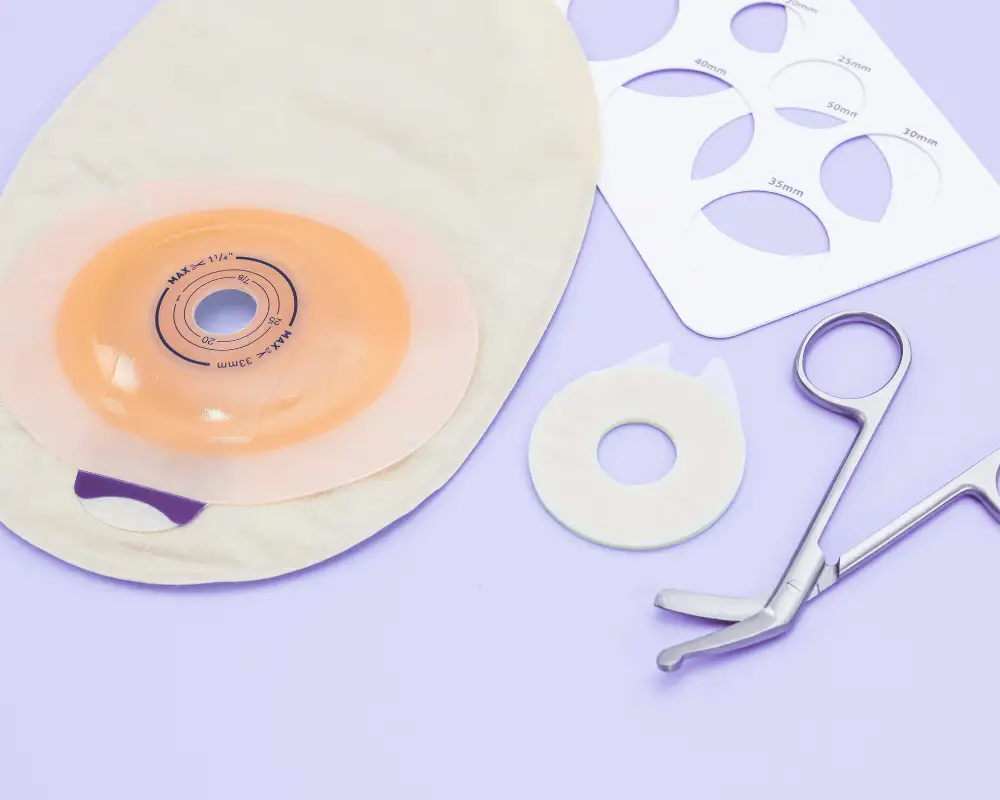
- Pharmacies: Many local pharmacies stock basic stoma supplies. Larger cities often have specialized pharmacies for more specific products.
- Home delivery: Companies provide home delivery of stoma appliances with a doctor’s prescription.
- Insurance coverage: French healthcare reimburses part of the cost for prescribed stoma supplies; your mutuelle may cover the remainder.
Practical tips:
- Keep a translated list of your products, including exact sizes and brands.
- Identify at least one local pharmacy or supplier before moving.
3. Finding Healthcare Professionals
Having a reliable gastroenterologist or stoma nurse (infirmier stomathérapeute) is essential:
- Hospitals and clinics: Many urban hospitals have stoma care units.
- Private specialists: Private stoma nurses or consultants are available; patient associations or expat networks often share recommendations.
- Expat communities: Online forums and Facebook groups can help you locate trusted professionals and pharmacies.
4. Preparing for the Interim: Between Leaving Home and Arriving in France
The period after leaving your home country but before fully settling in France can be stressful. Careful planning ensures continuity of care and avoids unnecessary stress.
Key Steps
- Stock up on supplies: Bring several months’ worth of stoma products to cover the gap while you find local suppliers. Include extra wipes and adhesive remover.
- Organize medical documents: Have prescriptions, supply lists, and your medical history in both your language and French. Include your doctor’s contact info in case French providers need verification.
- Plan your healthcare contacts: Identify at least one hospital or clinic and a pharmacy near your new home. Look for stoma nurses or gastroenterologists in advance; even sending an email before arrival can save time.
- Insurance coverage: Check whether your home-country insurance covers international care during your move. Consider temporary travel or expat insurance for the period before your French healthcare registration is active.
- Seek support: Reach out to online stoma or expat communities for advice and reassurance. They can provide practical tips and help you locate supplies quickly once you arrive.
Tip: Treat this period as a “buffer zone” for preparation. Being organized reduces stress and ensures uninterrupted care.

5. Daily Life and Healthcare Management in France
Once you arrive, maintaining your routine and managing your healthcare efficiently is essential:
- Register with a local doctor: Having a general practitioner (médecin traitant) ensures smoother access to prescriptions, specialist referrals, and reimbursements.
- Pharmacies and prescriptions: Establish a relationship with a pharmacy that stocks your stoma products. Keep your prescriptions up to date.
- Stoma nurse support: Schedule follow-ups with a stoma nurse as needed; they can assist with appliance fitting, product changes, and troubleshooting.
Emergency preparedness: Know the location of nearby hospitals and pharmacies. Carry documentation that explains your stoma type and medical needs in French.
6. Support Networks and Resources
Connecting with other stoma holders and expats can provide invaluable guidance:
- Patient associations: Groups like AFA Crohn RCH France or Apodefi offer advice, workshops, and support networks.
- Expat communities: Online forums and social media groups can provide practical tips on pharmacies, healthcare providers, and navigating French bureaucracy.
Hospital resources: Many hospitals provide educational materials on stoma care, some available in English.

7. Final Thoughts
Moving to France with a stoma is entirely possible with careful preparation. By organizing supplies, registering with healthcare, connecting with local specialists, and building a support network, you can focus on settling into your new life rather than worrying about your health.
France offers excellent healthcare and a supportive environment for stoma patients—planning ahead is the key to living confidently and comfortably.