If you live in France (or are planning to), you’ve probably already heard the word “mutuelle” — and you may also be wondering Do I really need one? and How on earth do I choose the right one?
The French healthcare system is excellent, but it works very differently from systems in the UK, US, or elsewhere. A mutuelle (also called a complémentaire santé) plays a key role in keeping healthcare affordable and stress-free.
In this guide, we’ll explain what a mutuelle is, how it works, who needs one, and how to choose wisely — with practical advice based on real-life situations we see every day at Hello Santé.
What Is a Mutuelle in France?
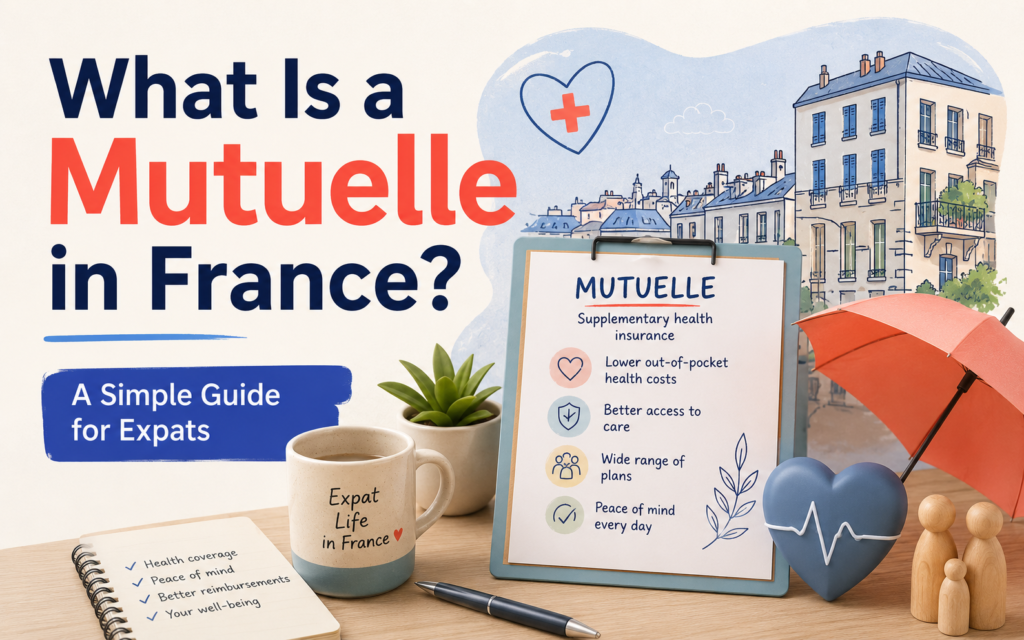
A mutuelle is top-up health insurance that works alongside the French public healthcare system (la Sécurité sociale).
The French state system reimburses a large portion of medical costs — but rarely 100%. A mutuelle covers some or all of what’s left, known as the reste à charge (out-of-pocket costs).
In simple terms:
Sécurité sociale = base reimbursement
Mutuelle = extra cover to reduce or eliminate what you pay yourself
Without a mutuelle, even routine healthcare can quickly become expensive.
How Does Reimbursement Actually Work?
Let’s look at a common example:
A GP appointment
Doctor charges €30
Sécurité sociale reimburses around 70%
You’re left with a remaining balance
With a mutuelle:
That remaining amount is partially or fully reimbursed, depending on your cover level
The same principle applies to:
Specialist appointments
Hospital stays
Prescriptions
Blood tests and imaging
For dental care, glasses, hearing aids, and hospitalisation, the difference a mutuelle makes is often huge.
Is a Mutuelle Mandatory?
Not always — but in practice, it’s essential.
Employees usually have a company mutuelle (legally required for employers)
Self-employed workers, retirees, students, freelancers, and newcomers must arrange their own
While a mutuelle isn’t legally required for everyone, living in France without one is risky and often costly, especially if:
You need specialists
You are hospitalised
You wear glasses
You need dental treatment
At Hello Santé, we regularly see people shocked by bills they didn’t expect — simply because they assumed the state system covered everything.

What Does a Mutuelle Typically Cover?
Coverage depends on the level you choose, but most mutuelles can include:
✔ GP and specialist top-ups
✔ Hospitalisation (including private rooms)
✔ Dental care (fillings, crowns, orthodontics)
✔ Glasses and contact lenses
✔ Hearing aids
✔ Some alternative therapies (osteopathy, acupuncture, psychology)
✔ Third-party payment (so you don’t pay upfront)
The key difference between plans is how much is reimbursed and how often.
Why Choosing the Right Mutuelle Matters
Not all mutuelles are equal — and more expensive does not always mean better.
The right mutuelle:
Matches your health needs
Fits your budget
Avoids unnecessary extras you’ll never use
Helps you avoid unpleasant financial surprises
Common mistakes we see:
Overpaying for coverage you don’t need
Choosing a plan that doesn’t cover key treatments
Signing contracts you don’t fully understand (often in French)
How to Choose the Right Mutuelle for You
Here’s what we recommend focusing on:
1. Your Personal Situation
Ask yourself:
Do I see specialists regularly?
Do I wear glasses or need dental work?
Am I likely to need hospital care?
Am I self-employed or retired?
2. Reimbursement Levels
Look for:
Percentages of reimbursement (e.g. 100%, 200%, 300% of the state rate)
Annual limits on dental and optical care
Waiting periods (délais de carence)
3. Simplicity & Support
This is especially important for non-French speakers:
Clear documentation
Easy online management
Support in English when you need help

Our Trusted Partner: Feather Insurance ⭐
At Hello Santé, we regularly guide English speakers through mutuelle choices — and one provider we confidently recommend is Feather Insurance.
Why Feather Works So Well for Expats and International Residents
Feather offers private complementary health insurance designed specifically for people living in France who want clarity, flexibility, and support in English.
What we like about Feather:
✔ Simple, transparent mutuelle plans
✔ Clear explanations in English
✔ Fast online quotes and sign-up
✔ Flexible coverage levels (from basic to comprehensive)
✔ Coverage for dental, vision, hospitalisation, and more
✔ Support that understands expat situations
Feather is particularly helpful if you:
Are newly arrived in France
Are self-employed or retired
Want an easy-to-manage mutuelle without French paperwork headaches
👉 You can explore their private health insurance options here:
FEATHER HEALTH INSURANCE
As always, we recommend choosing coverage based on your needs — not just the cheapest option.

How to Keep Mutuelle Costs Under Control
A good mutuelle doesn’t have to be expensive. Some practical tips:
Review your coverage annually
Don’t over-insure “just in case”
Check dental and optical limits carefully
Make sure you’re not paying for duplicate cover
Ask for help before signing anything you don’t fully understand
Final Thoughts
The French healthcare system works incredibly well — if you understand how to use it.
A mutuelle is not just an optional extra; for most people, it’s a key part of living comfortably and securely in France. Choosing the right one can save you money, stress, and confusion down the line.
If you need help understanding your options, comparing plans, or figuring out what level of cover makes sense for your situation, Hello Santé is here to help — every step of the way.
💬 And if you’re looking for a clear, expat-friendly mutuelle, Feather Insurance is an excellent place to start.