Moving to France and trying to understand the healthcare system? You’re not alone.
From CPAM, Carte Vitale to Ameli, médecins traitants, and mutuelles, French healthcare can seem complicated when you’re first settling in. The good news is that France has one of the world’s best healthcare systems, and once you’re registered, accessing care is straightforward and affordable.
Whether you’re relocating from the UK, another European country, or elsewhere in the world, this guide explains how the French healthcare system works, how to apply for healthcare in France, and what to expect at every stage of the process.
Contents
- Who can access healthcare in France?
- What is CPAM?
- How to apply for French healthcare
- How to get a French social security number
- How to get your Carte Vitale
- Why you can’t open an Ameli account yet
- What is a médecin traitant?
- Do you need a mutuelle?
- How long does the process take?
- Common mistakes to avoid

How Does the French Healthcare System Work?
France has a universal healthcare system that provides high-quality medical care to people who live and work in the country.
The system is administered by Assurance Maladie, with local offices known as CPAM (Caisse Primaire d’Assurance Maladie).
Once you’re registered, you’ll have access to:
- GP appointments
- Specialist consultations
- Hospital treatment
- Prescription reimbursements
- Diagnostic tests and imaging
- Maternity care
- Long-term medical treatment
Many healthcare costs are reimbursed by the French state, with any remaining costs often covered by a mutuelle (private complementary health insurance).
Who Can Apply for Healthcare in France?
If you are legally resident in France, you may be eligible to join the French healthcare system.
This includes:
- UK nationals living in France
- EU citizens
- Non-EU residents
- Retirees
- Employees
- Self-employed people
- Long-stay visa holders
Your eligibility and the documents required will depend on your personal circumstances.
Healthcare rights in France
https://www.service-public.fr/
Official French public administration information
https://www.service-public.fr/particuliers
International healthcare information (CLEISS)

What is CPAM?
One of the first organisations you’ll encounter is CPAM (Caisse Primaire d’Assurance Maladie).
Your local CPAM office is responsible for:
- Registering your healthcare rights
- Processing your application
- Issuing your French social security number
- Managing reimbursements
- Issuing your Carte Vitale
- Providing access to your online Ameli account
Think of CPAM as the administrative gateway to the French healthcare system.
How to Apply for French Healthcare
Most new residents apply for healthcare by submitting an Ouverture des Droits application.
Depending on your situation, you’ll usually need to provide:
- Passport
- Long-stay visa or residence permit
- Birth certificate
- Certified translation (where required)
- Proof of address
- Marriage certificate (if applicable)
- French bank details (RIB)
- Completed S1106 application form
CPAM may ask for additional documents if they need further information.
Tip: Always keep copies of everything you submit and send important documents by registered post (Lettre Recommandée avec Avis de Réception) whenever possible.
Learn more about opening your healthcare rights in France
https://www.ameli.fr/assure/droits-demarches/principes/ouvrir-droits-assurance-maladie

How Long Does a CPAM Application Take?
One of the most common questions we receive is:
“How long will my CPAM application take?”
Unfortunately, there isn’t a simple answer.
Processing times vary depending on:
- Your local CPAM office
- The complexity of your application
- Whether additional documents are required
- Current processing volumes
It’s perfectly normal not to hear anything for several weeks while your application is being reviewed.
Patience is often required, but keeping copies of your paperwork makes it much easier to respond if CPAM requests further information.
How to Get Your French Social Security Number
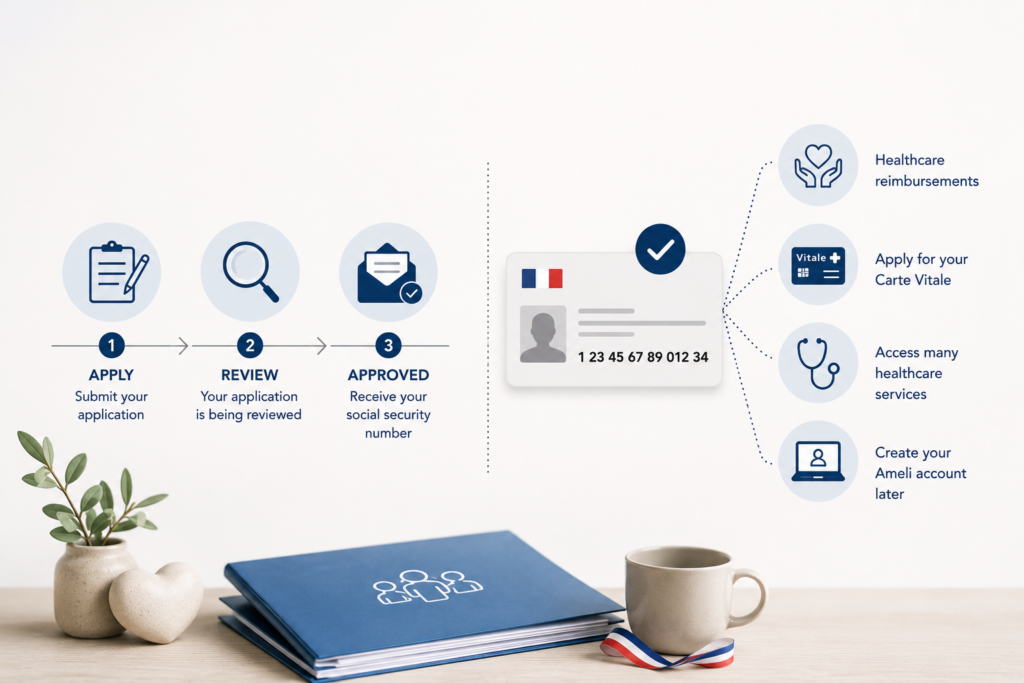
Once your application has been approved, you’ll receive your Numéro de Sécurité Sociale.
This number allows you to:
- Receive healthcare reimbursements
- Apply for your Carte Vitale
- Access many healthcare services
- Eventually create your Ameli account
Receiving your social security number is a significant milestone, but there are still a few steps before everything is fully operational.
Why Can’t I Open My Ameli Account?
Many people receive a letter saying:
“Votre situation ne vous permet toutefois pas encore d’ouvrir votre compte Ameli.”
Although this can seem worrying, it’s completely normal.
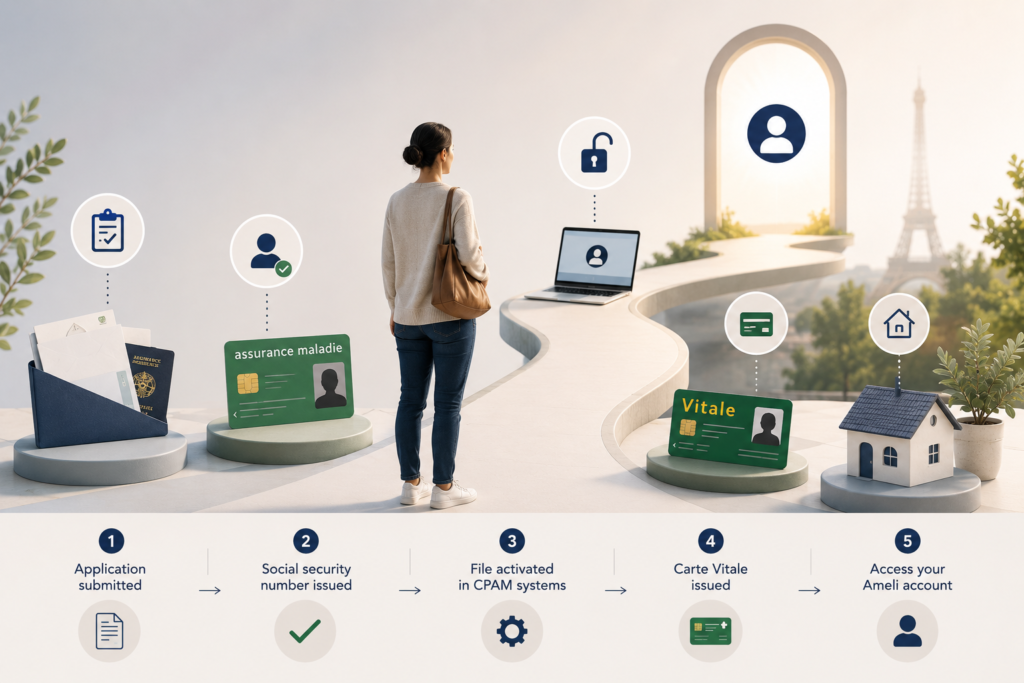
It simply means your social security number has been issued, but your file hasn’t yet been fully activated in CPAM’s systems.
Once activation is complete, you’ll be able to create your Ameli account, where you can:
- View reimbursements
- Download certificates
- Update your personal details
- Contact CPAM securely
- Track your healthcare claims
This usually happens automatically after a short period.
How to Get Your Carte Vitale
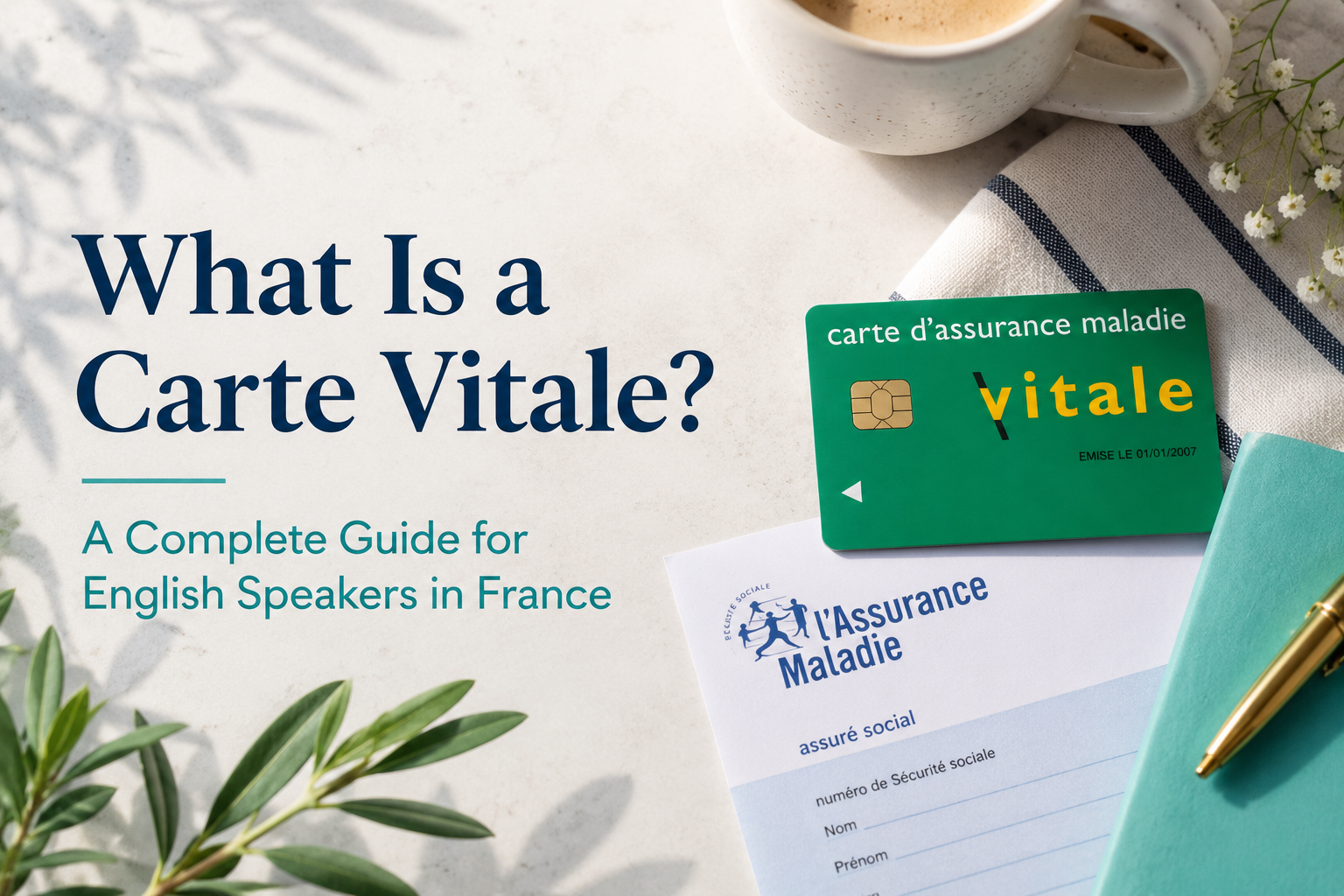
Your Carte Vitale is your French health insurance card.
It isn’t usually issued immediately after your social security number arrives.
Once your file is fully activated, CPAM will normally ask you to:
- Confirm your identity
- Confirm your address
- Submit a passport-style photograph
After these steps have been completed, your Carte Vitale is produced and posted to your home address.
If you move house during the application process, make sure you notify CPAM as soon as possible to avoid delays.
Official information about the Carte Vitale
https://www.ameli.fr/assure/remboursements/etre-bien-rembourse/carte-vitale
What is a Médecin Traitant?
A médecin traitant is your registered primary care doctor.
They coordinate your healthcare and refer you to specialists when necessary.
Declaring a médecin traitant helps ensure you receive the highest level of reimbursement available through the French healthcare system.
Finding a doctor who is accepting new patients can sometimes be challenging, particularly in rural France, so it’s worth starting your search as early as possible.
Declaring your médecin traitant
What is a Mutuelle?
One of the biggest misconceptions about healthcare in France is that everything is completely free.
While CPAM reimburses a significant proportion of healthcare costs, there is often a remaining balance.
A mutuelle is private complementary health insurance that helps cover these additional costs.
Depending on your policy, it may cover:
- GP consultations
- Specialist appointments
- Hospital stays
- Prescription charges
- Dental treatment
- Glasses
- Hearing aids
Choosing the right mutuelle depends on your healthcare needs, your budget, and your personal circumstances.
Common Mistakes New Residents Make
Many delays can be avoided with a little preparation.
Some of the most common mistakes include:
- Sending incomplete applications
- Forgetting certified translations where required
- Failing to notify CPAM after moving house
- Not keeping proof of postage
- Waiting too long to choose a médecin traitant
- Assuming the Carte Vitale is issued automatically
- Ignoring letters requesting additional information
Being organised from the start can save weeks or even months of unnecessary delays.

Frequently Asked Questions
Can I see a doctor before I receive my Carte Vitale?
Yes. You can still access healthcare before your Carte Vitale arrives, although the reimbursement process may differ until your registration is complete.
Can I arrange a mutuelle before my Ameli account is active?
In many cases, yes. Some insurers can arrange cover before your Ameli account has been created, depending on your circumstances.
What happens if CPAM loses my application?
Although uncommon, it can happen. This is why it’s important to keep copies of all your documents and proof of registered delivery. If necessary, you can resubmit your application with a covering letter explaining the situation.
How Hello Santé Can Help
At Hello Santé, we help English-speaking residents of France navigate the French healthcare system with confidence.
Our services include:
- Preparing and submitting CPAM applications
- Following up delayed applications
- Responding to requests from CPAM
- Applying for a Carte Vitale
- Finding a médecin traitant
- Helping you choose a suitable mutuelle
- Explaining French healthcare correspondence
- Liaising with healthcare providers on your behalf
Whether you’re applying for healthcare for the first time or trying to resolve an administrative issue, we’re here to make the process simpler, clearer, and less stressful.
Ready to Get Started?
If you’re moving to France or you’re already living here and need help understanding the healthcare system, Hello Santé is here to support you every step of the way.
Get in touch today to find out how we can help you navigate French healthcare with confidence.
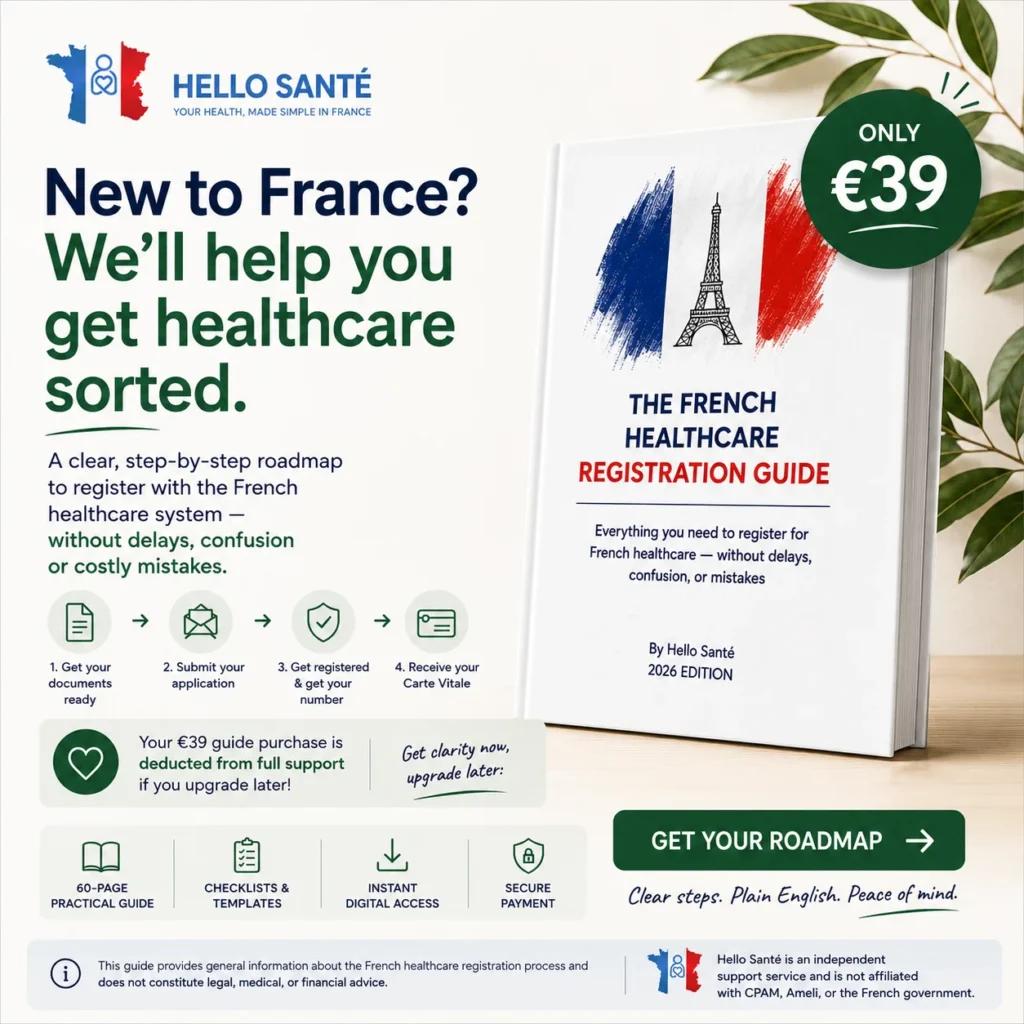
A step-by-step roadmap, document checklist, and professional templates to help you avoid common mistakes and unnecessary delays.